
You're juggling more than ever, and your students feel it too
We know what your mornings look like. One student is overwhelmed during group work and can't find the words to ask for help. Another has shut down completely and won't make eye contact. Three more are in a friendship conflict that's spilling into learning time.
And through it all, you're drawing on your skill, intuition, and deep care for your students, while also teaching the curriculum and holding the emotional climate of the room.
It's not that teachers don't know or care about their students. It's that the social and emotional needs in classrooms have grown more complex, often without the systems and tools to fully support the work you're already doing so well.
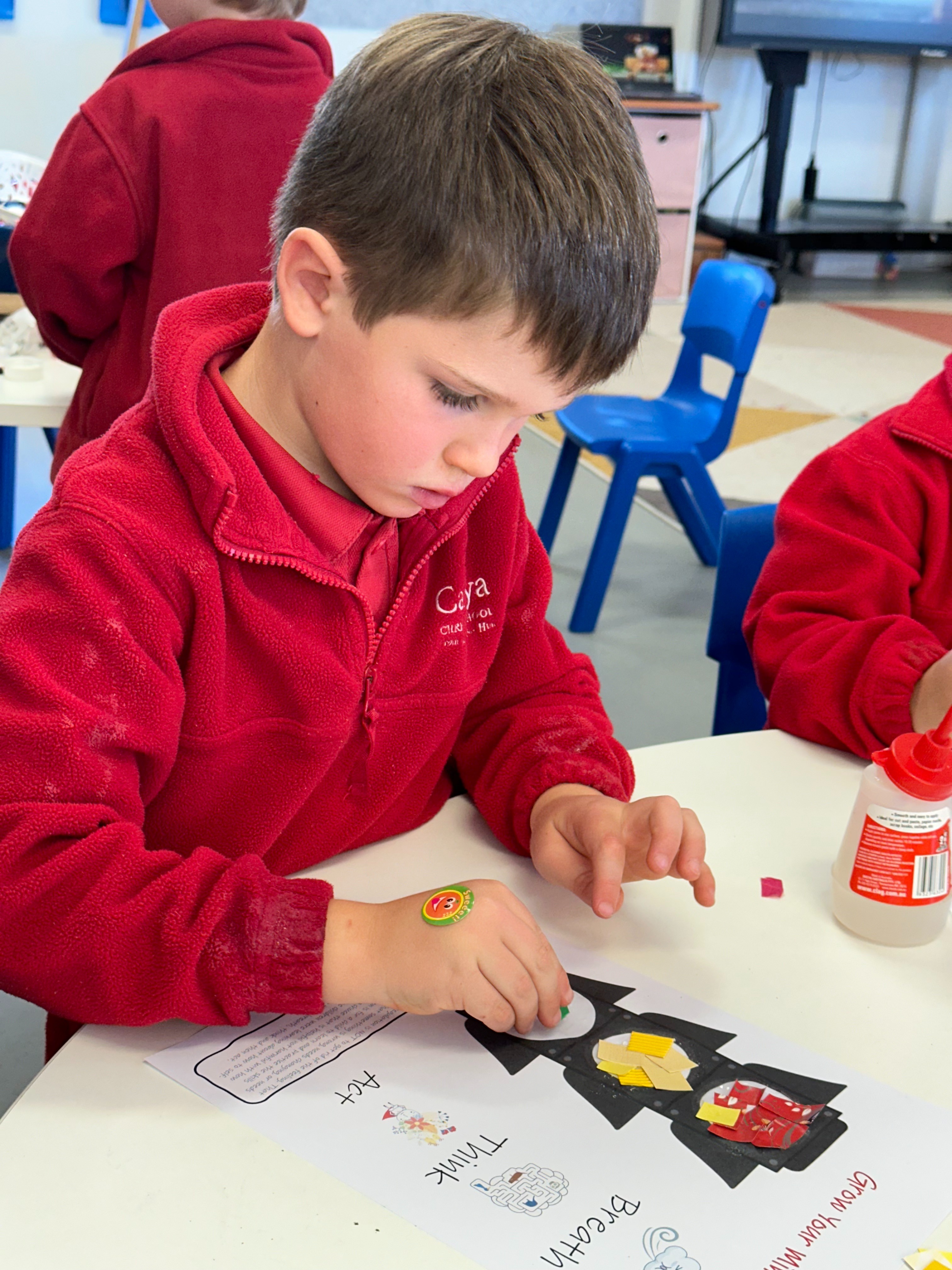
Many schools have tried different approaches
But when every classroom has a different language, students move between year levels without consistent support.
Emotional Regulation Scale
One teacher uses a regulation scale, giving students helpful awareness of how they are feeling—but it doesn't always travel with them into the next classroom.
Mindfulness Activities
Another teacher has mindfulness activities, but without context they don't stick.
Feelings Charts
Someone else has a feelings chart. Playground staff aren't sure how to reinforce it.
The School Counsellor
The school counsellor brings a wealth of strategies and support for the students they work with—and it makes a difference. Naturally, parents wonder, 'How does this support reach every child?'
Imagine if the same supportive language worked from foundation right through to year 6
Imagine if students had skills they could use in the classroom, carry into the playground, and take home, so families could naturally continue the conversation. Imagine if learning about their emotions and mind felt as clear and practical as learning maths—a shared language that helps students understand themselves, make choices, and develop all-important mental fitness skills.
This is what schools using Grow Your Mind are creating. Not by adding more to already full plates, but by giving their whole school community a common, brain-based way of talking about emotions, decisions, relationships and wellbeing.
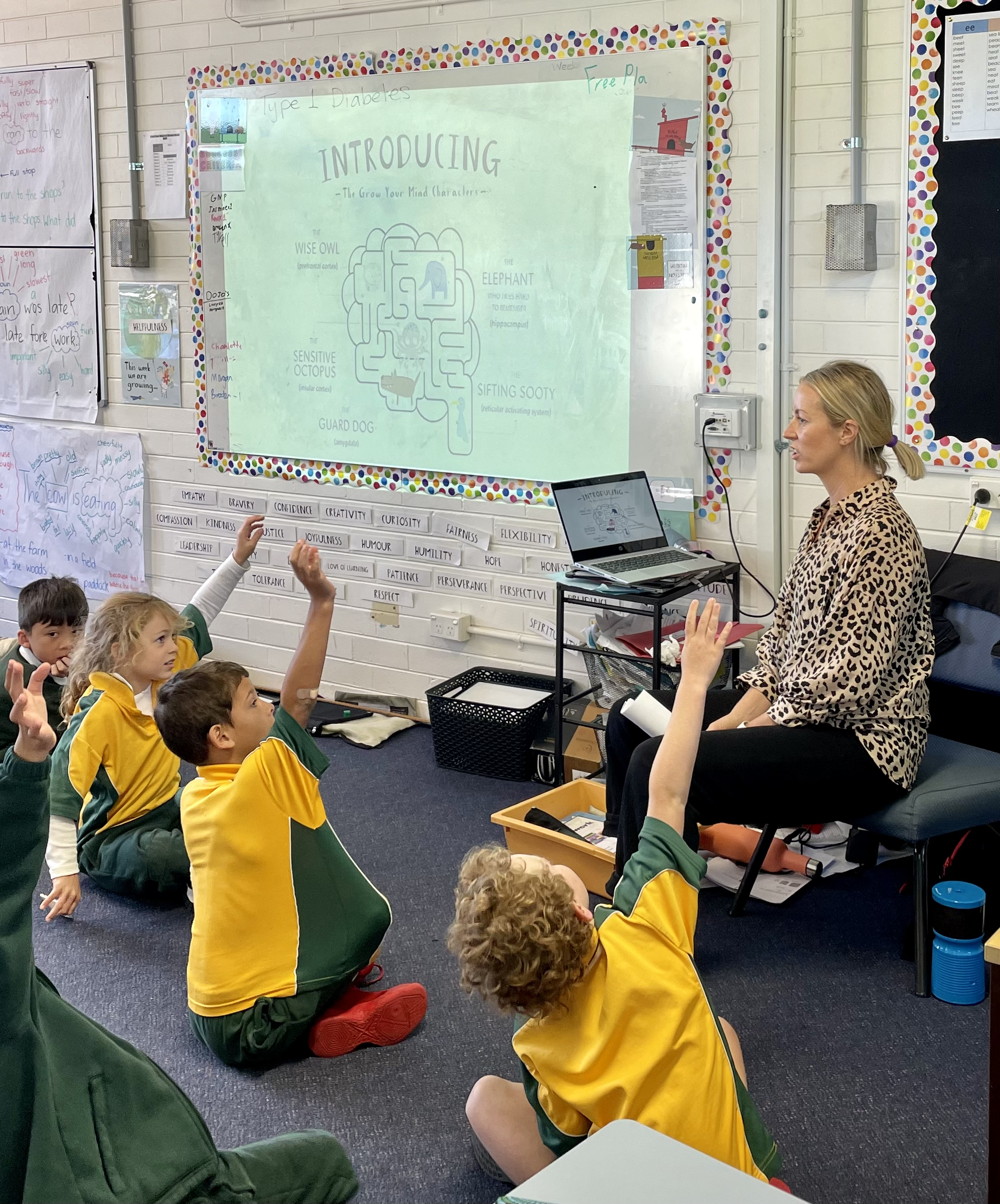
For teachers: Practical tools that genuinely fit into your day—whether that's a 5-minute check-in after lunch or a full lesson when you have the space.
Brain science that doesn't feel like brain science
Here's something we've learned after working with hundreds of schools: when wellbeing education feels too clinical, children switch off. When it's too abstract, it doesn't stick. But when you can help students understand their own brain using language that genuinely makes sense to them—something shifts.
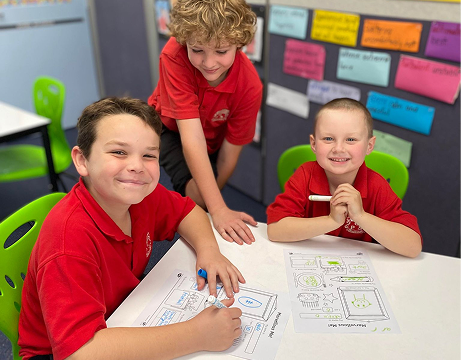
That's what we've spent years refining. Grow Your Mind takes the research—positive psychology, neuroscience, social-emotional learning, public health—and translates it into something that feels accessible to young learners. Not simplified. Not dumbed down. Just... clearer.
We use playful characters to represent different parts of the brain. When a child learns that each part of their brain has a job and a role to play, it transforms how they see themselves. This understanding builds self-awareness. Suddenly, big feelings aren't a sign that something is wrong. They are just information from their brain trying to keep them safe.
And here's what that looks like in practice:
This is brain science that travels. From the classroom to the playground. From school to home. Students carry it with them because it makes sense to them—not just because a teacher said to remember it.
And we can show you it works.



From "I don't know" to "here's what I'm noticing and what might help"
Students begin to develop that pause—that moment between feeling something big and responding—where they can make a choice about what to do next.
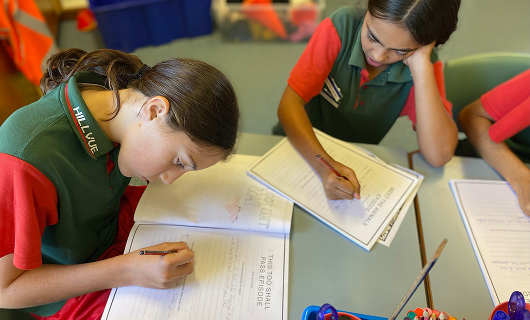
In the Classroom
Teachers tell us the language they use starts to change. Instead of managing behaviour reactively, there's space for conversations like: "I can see your body looks tense. What do you think you need right now?"
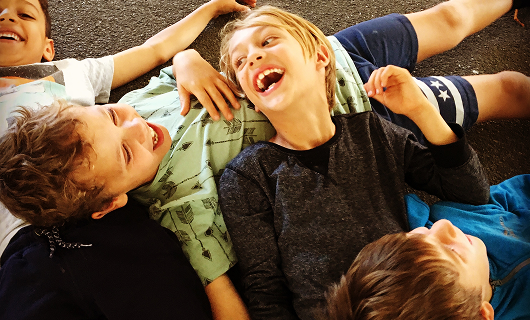
On the Playground
Teachers on playground duty are noticing students using the shared language to work things out. "I'm sorry my Guard Dog was being big and bossy. Can we talk about this? I think we can work it out."
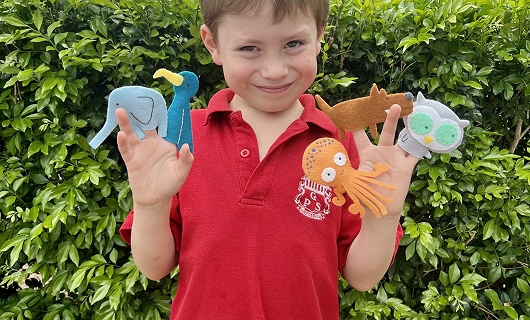
At Home
When children have the language to understand their brain and emotions, they're better equipped to navigate life's everyday challenges. We hear stories of children teaching parents to finger breathe during the morning rush, and parents hearing more than just "fine" after school. The language extends beyond the school gates, strengthening connection at home.
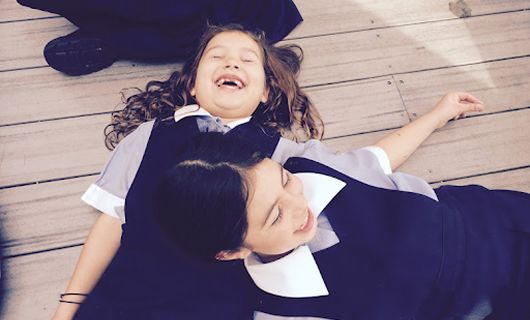
For Teachers
You have 1,800+ resources available. It's designed to be flexible, responsive, not rigid or prescriptive. Teachers tell us it doesn't feel like "one more thing." It actually reduces the time spent managing disruptions and preserves your energy.
What schools are experiencing
The resources have enabled us to teach our children a strong understanding of emotional wellbeing and how this enables them to be productive, life-long learners.
Students consistently use the language across the school—not just in the classroom.
I was really worried about my presentation today. My heart was beating fast and I felt a bit wobbly. But then I remembered my breathing strategies and it helped me feel calmer.
A thoughtful way to start 2026
We know this is a thoughtful time for planning how wellbeing will be woven through your school in 2026. Often schools haven't had time until mid-year to introduce a new wellbeing framework. But here's what we've observed: when schools wait until Term 2 or Term 3, the initial energy and routines have already been set.
Either way, you'll receive:
- Full access to K–6 digital platform with 1,800+ resources
- Content that flexes from 5-minute moments to full lessons
- Implementation support and guidance
- Parent communication newsletter tips and resources
- Regular content updates and impact measurement tools
Why consider starting early?
When you introduce the wellbeing language in early 2026, students have the whole year to practise and integrate it. By December, it's not "the new program"—it's just how your school talks about emotions and wellbeing. By 2027, it's woven through your culture.
We're not saying this to create pressure. We just want you to know what we've seen work well.
Two ways to explore whether this feels right for your school
We understand schools are at different places in their wellbeing journey. Some of you are ready to explore implementation. Others want to see the approach first before making any decisions. Both paths are completely okay.
If you would like to see the full picture
Explore the 2026 Kickstart Program
This will show you exactly how Grow Your Mind works in primary schools, what's included in the program, and how the Kickstart offer could support your school community in 2026.
No pressure. No sales pitch. Just clear information about:
- The school program and the implementation support offered
- What the 2026 Kickstart offer includes
- How it might fit within your school's specific context and needs
- Real examples from schools similar to yours
If you would like to explore the approach first
Request our bestselling book free
We completely understand if you're not ready to make a decision yet. That's genuinely okay. We're happy to send you a complimentary copy of "How to Be a Good Enough Kid"—the book that introduces the wellbeing framework in a way children actually connect with.
Read it yourself. Share it with a class if you'd like. See whether students engage with the language. Then you can decide whether the full program feels like the right fit for your school—without any pressure or expectation from us.
Thank you for your request.
Someone from our team will be in touch shortly to arrange delivery of your book. If you have any questions in the meantime, we're always happy to help.
Whichever path feels right for you, we're here to support your school's wellbeing journey in whatever way makes sense. No pressure. No hard sell. Just genuine care for the work you're doing with your students.
No obligation • Independently evaluated by University of Wollongong • Used across Australia